
The problem was visibility
Opuz Taxis was operating on phone calls and loose coordination. Customers would call, give their location, and then wait — with no idea where their driver was, how long it would take, or if their booking had even been received. Drivers had no visibility into queue position or passenger location until they made it to the pickup point. Both sides were flying blind.
The business didn’t need a complex routing algorithm or an AI dispatcher. They needed one clear thing: customers should see where their taxi actually is from the moment they book until it arrives.
“Customers would call asking ‘where’s my cab?’ five minutes after booking. We had no way to tell them. It was frustrating for everyone.”
— Opuz Taxis owner
What we built
The system has two halves that talk to each other:
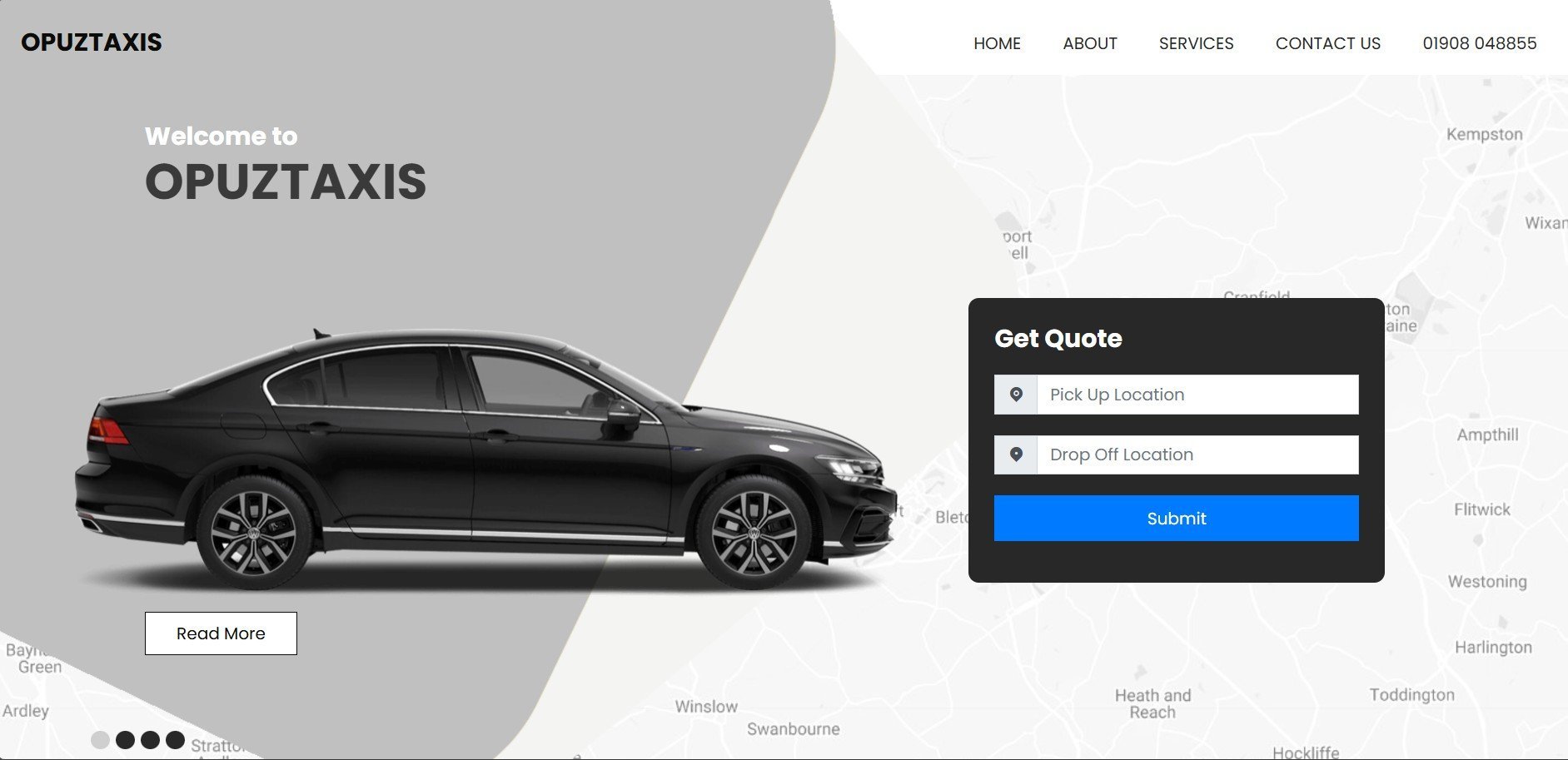
- Customer-facing website and booking. A simple, mobile-first interface where customers enter their pickup location, destination, and see an immediate fare quote. No hardcoded pricing — fares are calculated dynamically based on distance and demand. Book the ride, and immediately see the driver’s live location on a map. No guessing.
- Driver app integration. Drivers see bookings in real-time, can accept jobs from a queue, and their location streams to the customer’s phone. Simple status updates (accepted, en route, arrived) so both sides are always in sync.
- The core feature: real-time journey visibility. Once a ride is booked, customers watch their driver move toward them in real-time. The map updates every few seconds. No more “where is my taxi?” calls — they can see it.
Why simplicity wins here
We deliberately didn’t build a complex dispatch algorithm that optimizes for fleet efficiency. That solves Opuz’s problem, not the customer’s problem. The customer’s problem is uncertainty. We solved that with visibility.
Everything in the system serves that single goal: show the customer where their driver is. The booking form? Minimal, because we just need pickup and destination. The map? Clean and focused, nothing else on screen. The status updates? Clear and in plain language. One feature done well beats five features done poorly.
What changed
Support calls dropped because customers could literally see their ride coming. Bookings went up because the experience felt transparent and reliable. Driver acceptance rates improved because the interface was straightforward — no complex dashboard, just the next job and the route.
“The simplest feature — showing where the driver is — fixed 80% of our customer complaints. People just wanted to know the taxi was actually coming.”
— Opuz Taxis owner
The principle
Not every business needs automation or AI. Some need clarity. Opuz didn’t need smarter algorithms. They needed customers to see the truth in real-time. Once that was solved, everything else improved on its own.
When you’re solving a service business problem, start by asking: what information does the customer need that they don’t have? Often the answer is simpler than you think.